Bird Care & Education
Practical bird-care information from Budgie Sanctuary Rescue. These resources cover nutrition, enrichment, health warning signs, safe housing and responsible ownership. Educational information supports good daily care but does not replace advice from an avian veterinarian.
Bird Nutrition & Safe Foods
Offer a varied, species-appropriate diet that may include quality pellets, measured seed, fresh vegetables and suitable fruit. Introduce new foods gradually, provide clean water every day and avoid unsafe foods such as avocado, chocolate, caffeine, alcohol, onion and highly salty or sugary foods.

Health Warning Signs
Birds often hide illness. Seek prompt avian-veterinary advice for appetite or weight changes, unusual droppings, breathing difficulty, tail bobbing, discharge, vomiting, weakness, sitting fluffed for long periods or spending time on the cage floor. Regular weighing can reveal problems before they become obvious.
Enrichment, Housing & Safety
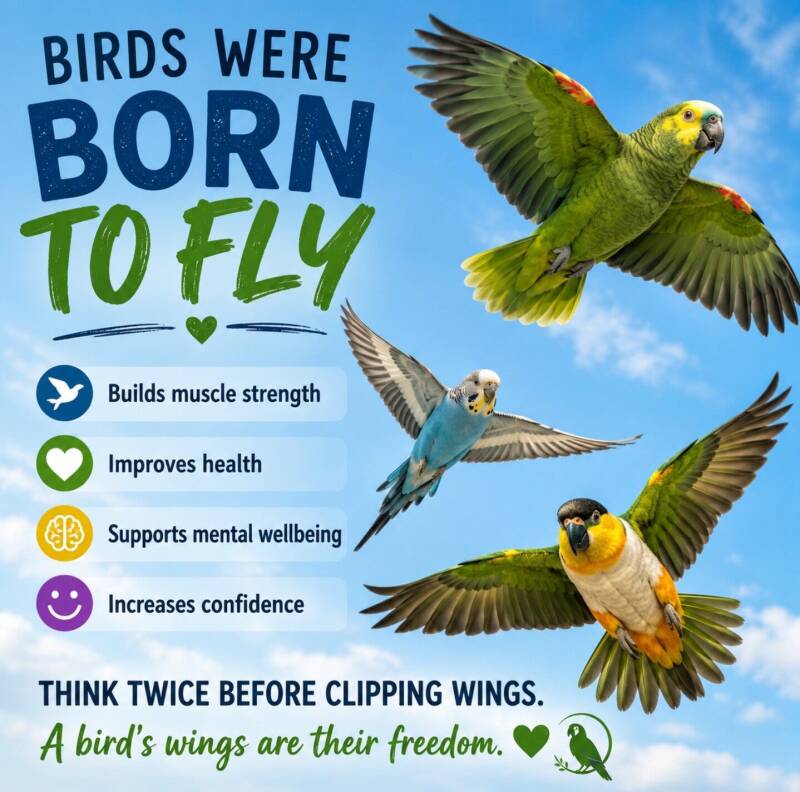
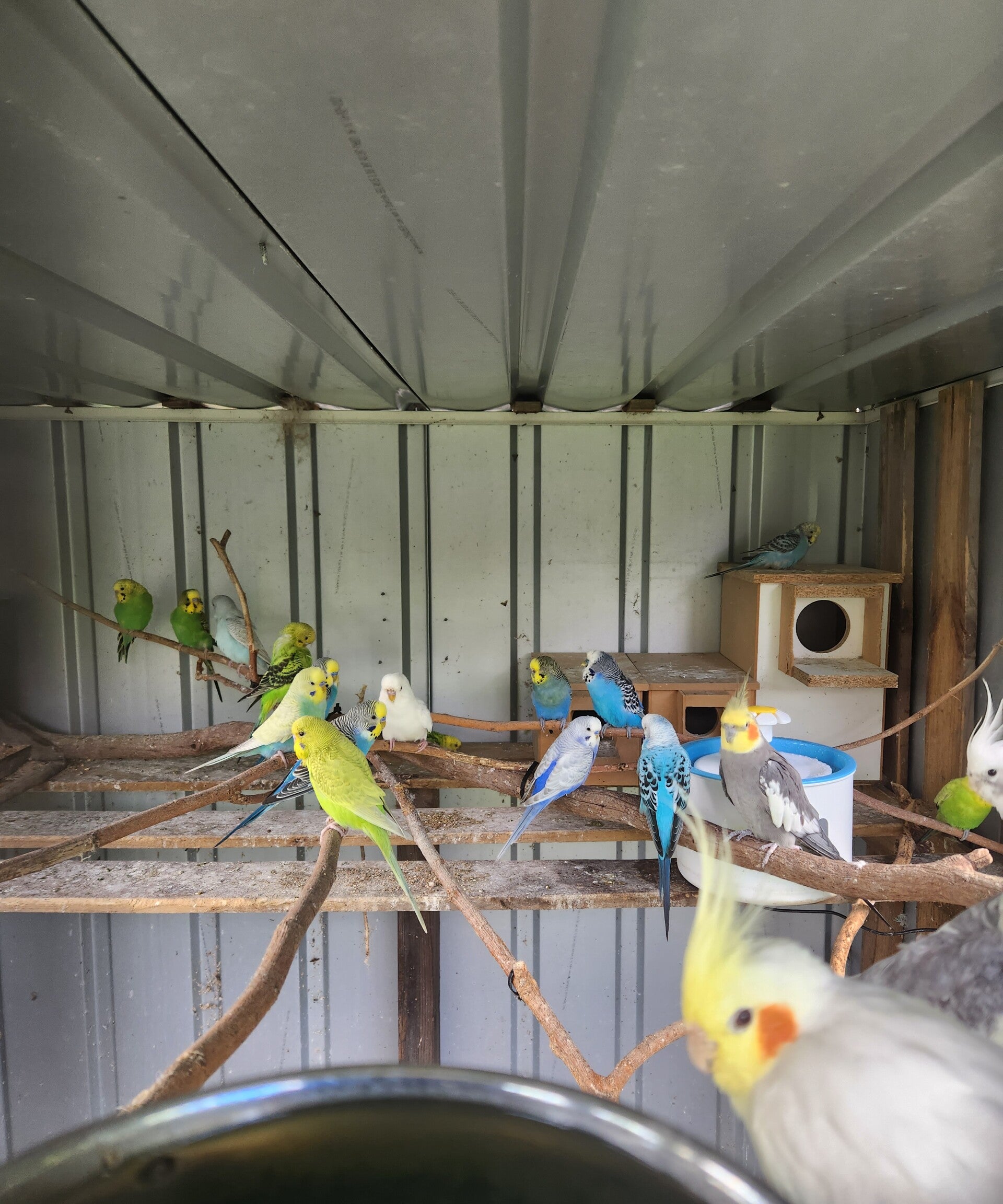
Provide room for movement, varied natural perches, bird-safe toys, foraging opportunities and daily social interaction. Rotate enrichment regularly and inspect toys for loose fibres, unsafe metals or trapping hazards. Keep birds away from fumes, smoke, aerosols, ceiling fans, open doors and windows, and overheated non-stick cookware.
BIRD CARE & EDUCATION
Explore practical information about bird nutrition, health warning signs, enrichment, housing and everyday safety on our dedicated education page.
Visit: https://www.budgiesanctuaryrescue.org/about-services/bird-care-education